Creating an illustration or design is not just a magical process where the artist or designer picks up a brush or mouse and instantly creates something stunning. Behind every piece of art, there is a complex journey that goes through several key stages. In this article, we’ll explore the fundamental steps of the creative process, from the initial spark of an idea to the completion of the final artwork.
Idea and Inspiration
Every artwork starts with an idea. It could come from anything that inspires the artist—nature, emotions, people, or even abstract concepts. Inspiration can strike at any moment—during a walk, a conversation, or even while going about everyday tasks. Artists often capture their ideas in sketches, notes, or verbal descriptions.
At this stage, it’s important not only to form the idea itself but also to understand what message or feeling you want to convey to the viewer. This understanding helps guide decisions on the right style, color palette, and composition for the upcoming piece.
Research and Gathering Materials
Before diving into the creation process, research plays a critical role. This might involve studying visual materials such as photographs, videos, or the works of other artists. Sometimes, artists use reference images to ensure the accuracy of proportions or details. Other times, research simply helps to inspire and broaden creative horizons.
For designs created around a specific theme, it’s essential to look into the cultural and historical context to ensure the artwork not only looks beautiful but also delivers the intended message.

Sketches and Drafts
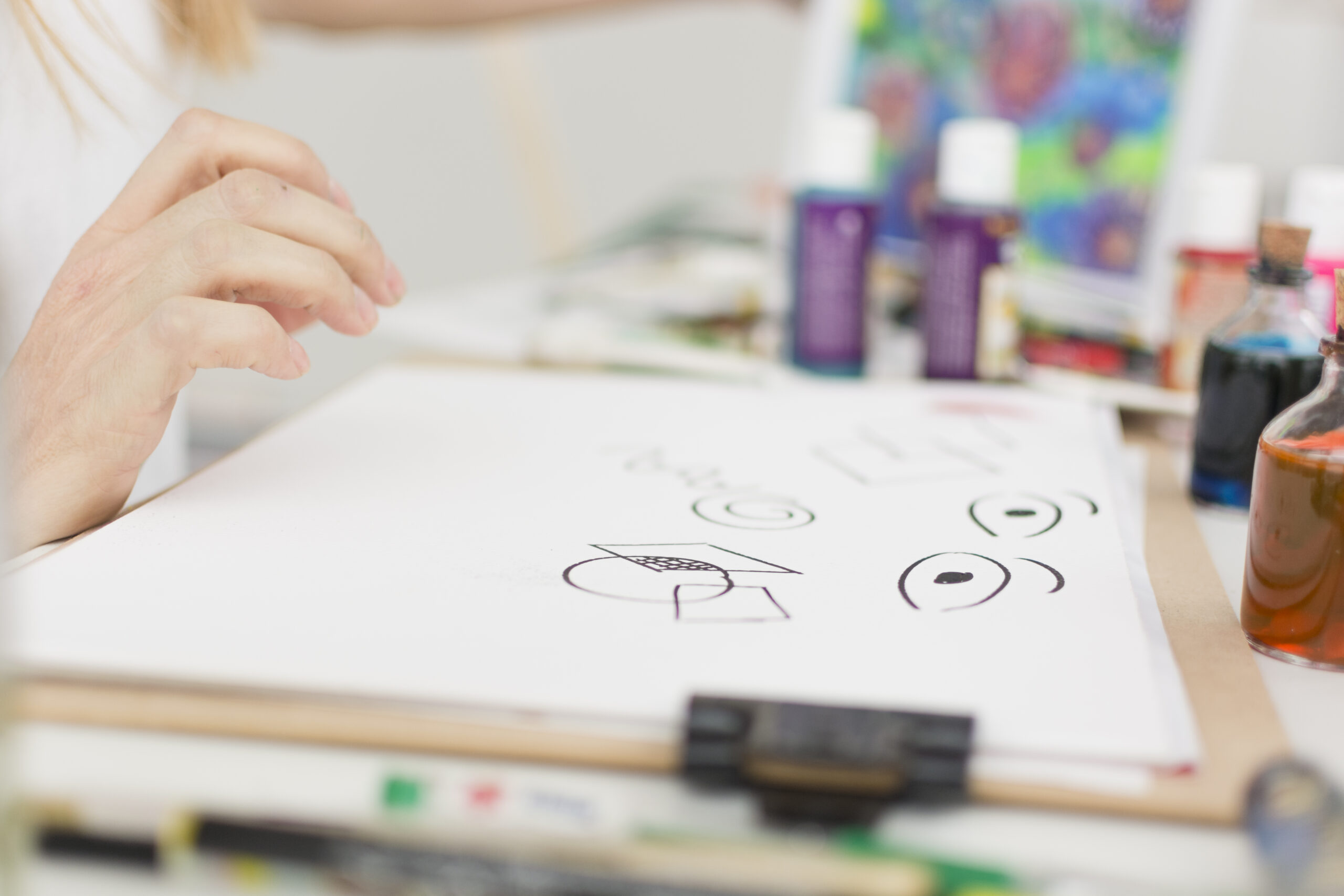
Once the idea and research are complete, the artist moves on to sketching. This is a crucial step in the process, as it’s the stage where different compositions, forms, and colors can be freely experimented with. Sketches are often quick and loose—they’re not about creating a perfect image but about exploring the best way to visualize the concept.
This stage may involve several iterations to find the most effective solution. It’s important not to be afraid of mistakes or changes, as these lead to the final, polished version of the work.
Development and Detailing
Once a sketch is chosen, the artist or designer begins working on the finer details. This can include refining textures, adding details, adjusting lighting and shadows, and starting to work with colors. It’s important not to rush at this stage, as each change can significantly affect the overall perception of the piece.
This is also when the final color palette for the artwork is selected, and the emphasis is placed on the right visual elements.
Digitization and Editing (for Digital Works)
For digital illustrations or designs, the next stage involves transferring the sketch into graphic software such as Adobe Illustrator or Photoshop. The artist begins creating a clean, precise version of the artwork using various tools to draw lines, create color transitions, and add textures.
A crucial part of this step is working with layers, which allows the artist to modify individual elements without affecting the entire composition. Digitization also includes final tweaks to the color scheme and detail adjustments.
Final Touches and Refinement
Once the core elements of the artwork are finished, it’s important to take one last look at the piece to identify areas that may need improvement. This could involve reworking certain parts, adding or removing elements, or enhancing contrast or colors.
At this point, some artists seek external feedback—whether from colleagues or clients. A fresh perspective can help identify any overlooked issues and improve the final result.
Presentation and Publication
When the artwork is ready, it’s time for presentation. This could involve sending the illustration to a client, posting it on social media, showcasing it at an exhibition, or using it in promotional materials. For artists and designers, it’s important to choose the right format and resolution for the image so that it looks its best across different platforms.
Conclusion
The process of creating an illustration or design is a fascinating and multi-layered journey that requires patience, inspiration, and hard work. Each artwork is unique, and while the stages may vary depending on the artist’s personal preferences, understanding these key steps provides a deeper insight into the creative side of art and design. After all, every masterpiece begins with a simple spark and goes through numerous changes before becoming a finished work of art.

0 Comments